How to Beat ATS Systems in 2026: The Complete Guide
Learn exactly how Applicant Tracking Systems work, why 75% of resumes get rejected, and the proven strategies to get your resume past the robots and into human hands.
Every year, companies receive millions of job applications. To cope with this volume, over 98% of Fortune 500 companies use Applicant Tracking Systems (ATS) to filter candidates before a human ever sees their resume. Understanding how these systems work is the first step to beating them.
What is an ATS?
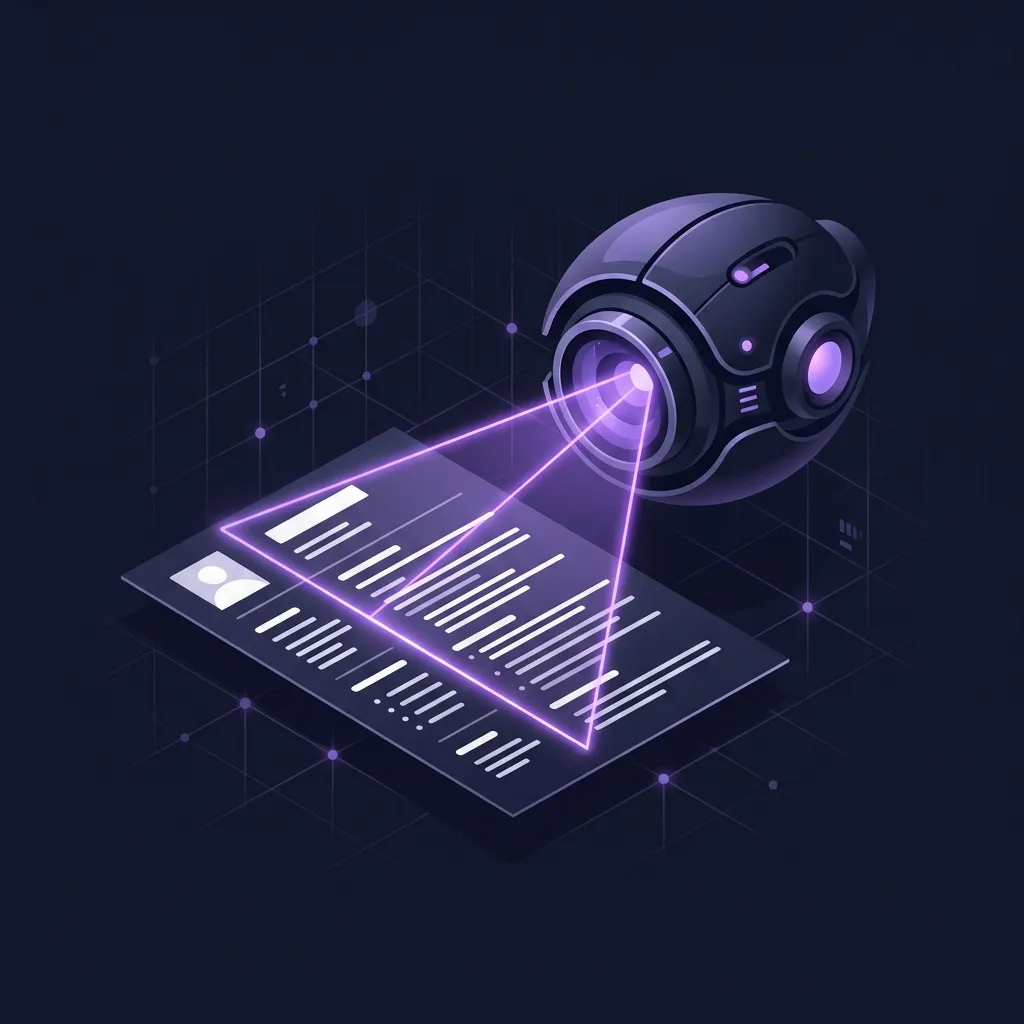
An Applicant Tracking System is software that scans, parses, and ranks resumes based on how well they match a job description. Think of it as a gatekeeper — if your resume doesn't pass its filters, no recruiter will ever read it.
Popular ATS platforms include Workday, Greenhouse, Lever, Taleo, and iCIMS. Each has different parsing algorithms, but they all share common principles.
Why 75% of Resumes Get Rejected
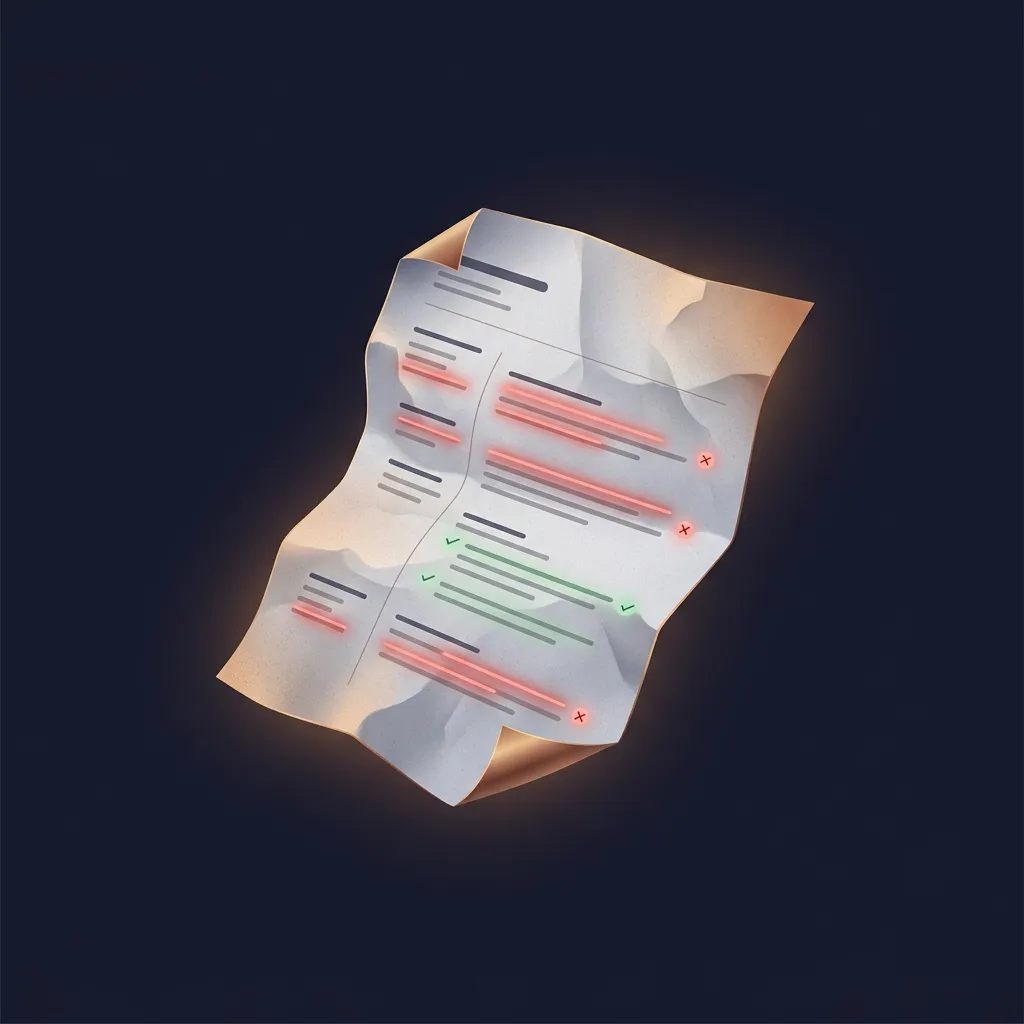
Studies show that up to 75% of qualified candidates are rejected by ATS before reaching a recruiter. The most common reasons:
- ●Wrong file format — Some ATS can't read PDFs with complex layouts. Plain, clean formatting wins.
- ●Missing keywords — If the job asks for “project management” and your resume says “PM,” the ATS might not make the connection.
- ●Graphics and tables — Charts, icons, and multi-column layouts confuse parsers.
- ●Headers and footers — Many ATS skip content in headers/footers entirely.
7 Proven Strategies to Pass ATS
1. Mirror the job description language. If they say “stakeholder management,” use that exact phrase — not a synonym. ATS matching is often literal.
2. Use standard section headings. Stick with “Experience,” “Education,” “Skills” — not creative alternatives like “Where I've Made Impact.”
3. Keep formatting simple. Single column, standard fonts (Arial, Calibri, Times New Roman), no text boxes, no images.
4. Include both acronyms and full terms. Write “Search Engine Optimization (SEO)” so the ATS catches both.
5. Quantify achievements. Numbers stand out to both ATS and humans: “Increased revenue by 34%” beats “significantly improved revenue.”
6. Tailor every application. One-size-fits-all resumes score poorly. Customize your skills and summary for each role.
7. Use an ATS-friendly template. Tools like Tildea provide templates specifically designed to pass ATS parsing while still looking professional.
How Tildea's ATS Engine Works
Tildea's built-in ATS simulator runs your resume through the same parsing algorithms used by real ATS software. It checks keyword density, formatting compliance, section structure, and overall compatibility — giving you a score and specific recommendations before you apply.
The Bottom Line
Beating ATS isn't about gaming the system. It's about presenting your qualifications clearly and in a format that machines can understand. The best resume is one that works for both the robot and the human who reads it after.
Build your resume with Tildea
10 AI agents craft your perfect resume in under 2 minutes.